
Puglia is a region of light and continuity.
Here the landscape unfolds without abrupt interruptions, through orderly countryside, pale architecture and a sea that is always present, even when it cannot be seen. It is Mediterranean in the truest sense of the word, where the relationship between people and land is written into dry-stone walls, olive groves and historic settlements.
Travelling through Puglia means following a natural rhythm, shaped by the seasons, everyday gestures and open spaces.
Bari is the region’s main urban centre and embodies its most vibrant spirit.
The district of Bari Vecchia, with its narrow streets overlooking the sea, preserves an intense and authentic neighbourhood life, while the Basilica of Saint Nicholas is a major religious and cultural landmark of international importance.
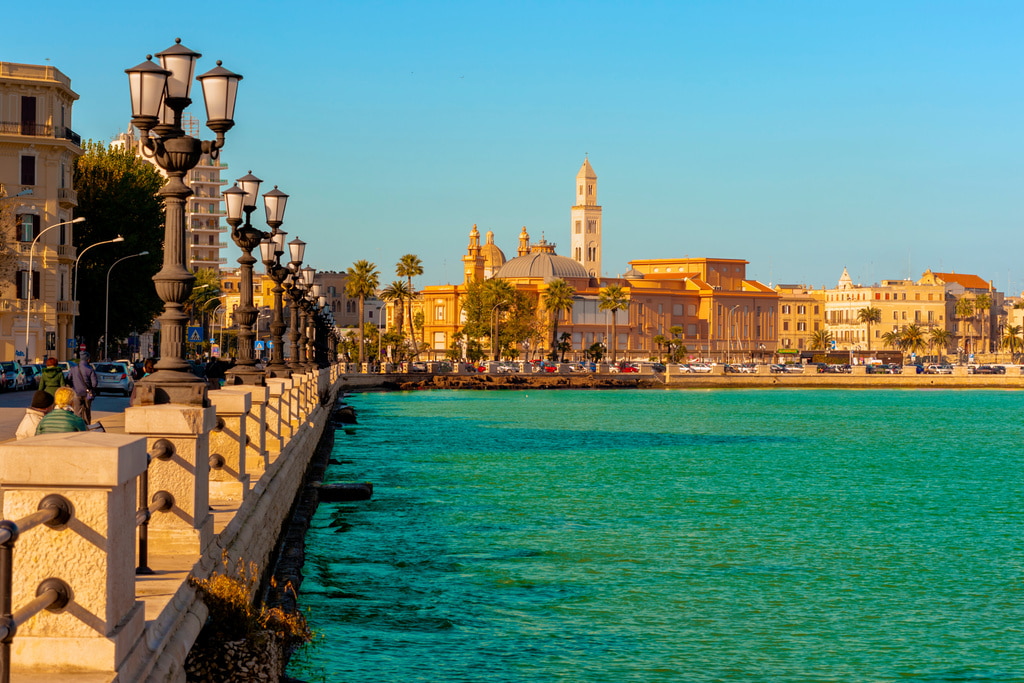
The Bari seafront, one of the longest in Italy, runs along the coast and tells the story of an urban Puglia that lives the sea as an everyday space, not merely as a tourist destination.
Along the central Adriatic coast, Puglia reveals one of its most iconic faces.
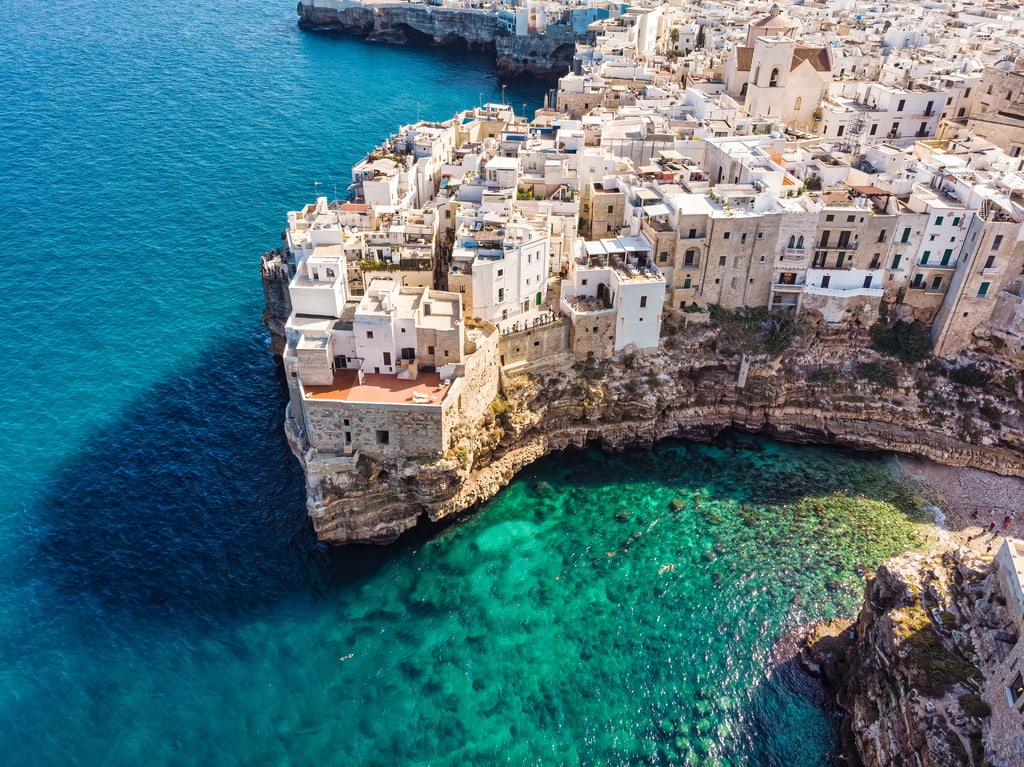
Polignano a Mare rises above a rugged, rocky shoreline, with its historic centre suspended over the water. Lama Monachile, set between high rock walls, expresses a dramatic and direct relationship between town and sea.
Further south, Monopoli preserves a compact historic centre of pale lanes and continuous sea views. Its old harbour, still actively used by the local community, offers an authentic image of maritime Puglia.
To the north, Trani conveys a measured elegance. The Cathedral of San Nicola Pellegrino, built in pale stone and standing directly on the Adriatic, dominates one of southern Italy’s most refined seafronts, expressing a Puglia that is both urban and historic.
Among the most iconic towns of the Itria Valley are Ostuni and Cisternino, two places that embody Puglia’s most recognisable aesthetic.
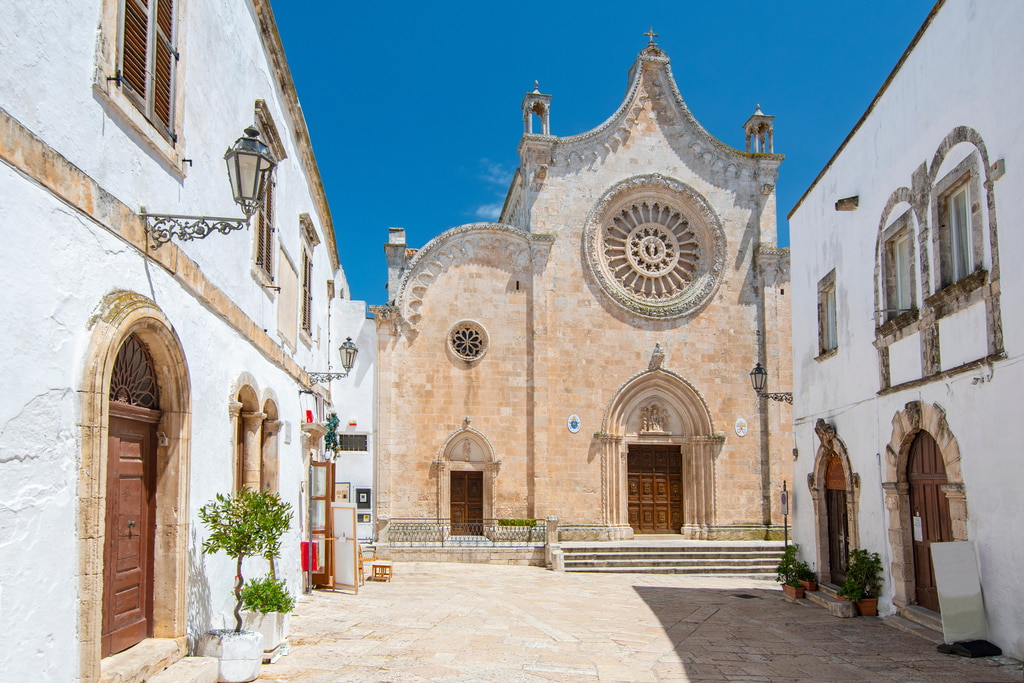
Ostuni, known as the White City, spreads across three hills and overlooks a vast plain of olive trees stretching to the sea. Its compact, luminous historic centre offers constant views and a strong architectural identity.
Cisternino, more intimate in scale, preserves an urban fabric of narrow streets, arches and small squares, where daily life remains visible and shared.
Both towns represent an authentic, balanced Puglia, deeply connected to the surrounding agricultural landscape.
At the heart of the region lies the Itria Valley, one of southern Italy’s most recognisable landscapes.
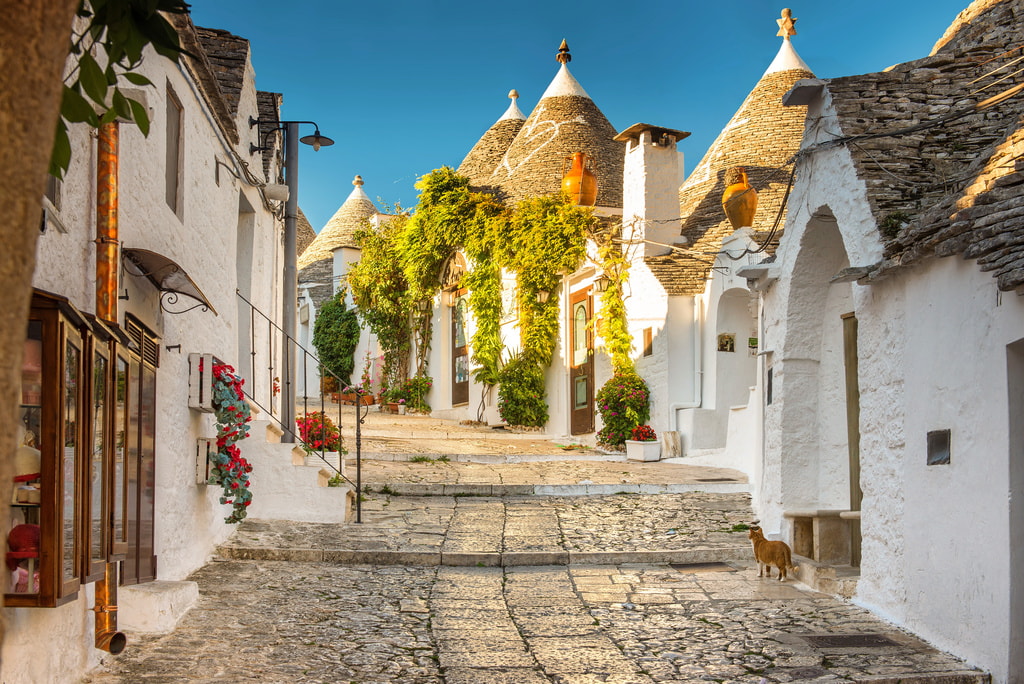
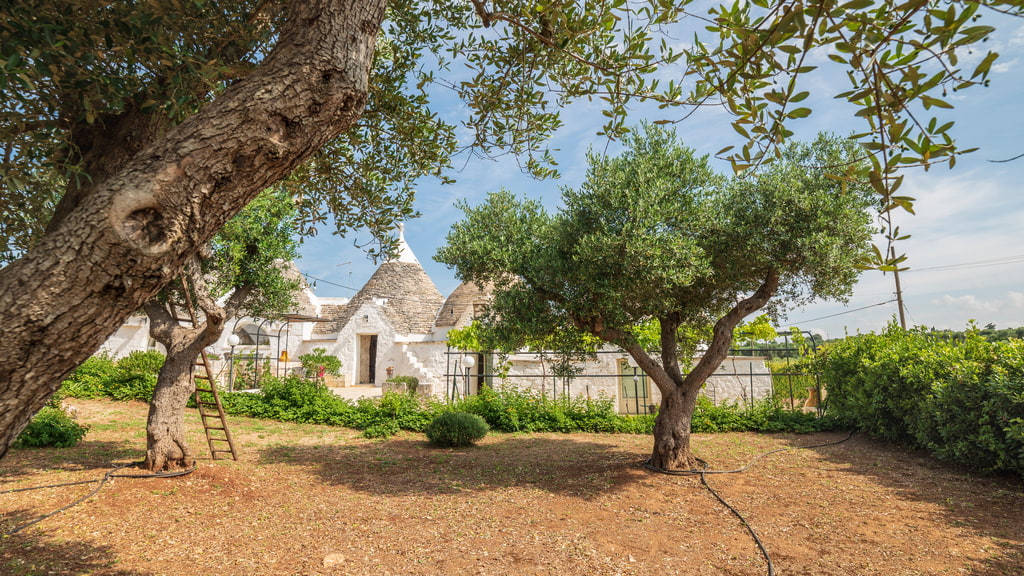
Here the countryside is shaped by ancient olive trees, vineyards and dry-stone walls, while the trulli of Alberobello, a UNESCO World Heritage Site, represent a unique form of vernacular architecture.
Towns such as Martina Franca and Locorotondo retain an orderly and elegant urban layout, where white architecture dialogues with the green of the countryside. This is an ideal area for slow travel, following secondary roads and pausing in small towns.
To the south, the Salento expresses a strong and unmistakable identity.
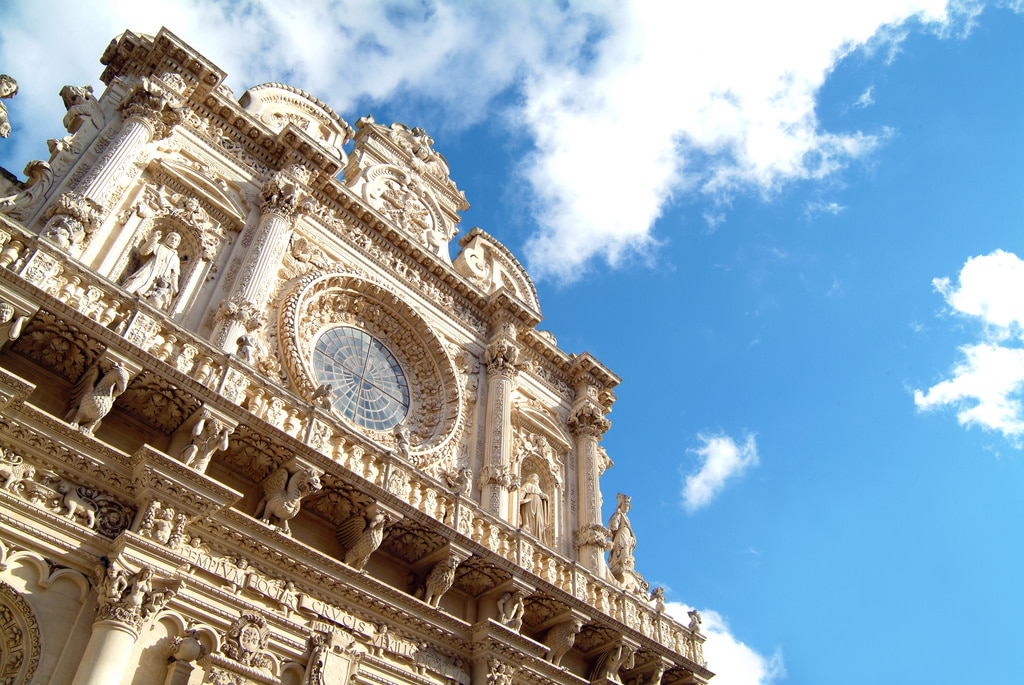
Lecce, with its Baroque carved from Lecce stone, offers a rich architectural heritage visible in the churches, palaces and squares of its historic centre.
The Salento peninsula is bordered by two seas, the Adriatic and the Ionian.
Towns such as Otranto, Santa Maria di Leuca and Gallipoli alternate between cliffs, coves and wide beaches, in a landscape that is always bright and open.
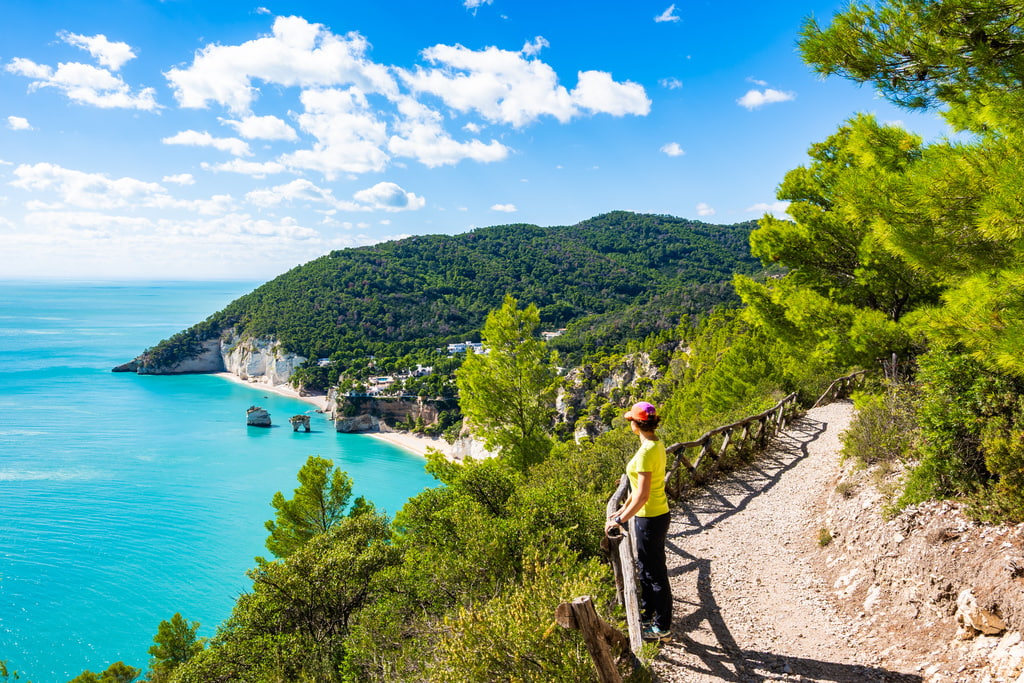
In the north of the region, the Gargano reveals a different Puglia, greener and more vertical.
The promontory is home to the Foresta Umbra, one of the largest woodland areas in southern Italy, ideal for walking and hiking.
Towns such as Monte Sant’Angelo, linked to a long-standing spiritual tradition, and coastal centres like Vieste and Peschici combine historic architecture with dramatic seascapes, offering a varied and less conventional experience.
Puglian cuisine is essential and deeply Mediterranean, based on a few ingredients of outstanding quality.
Durum wheat bread and extra virgin olive oil form the foundation of the region’s food culture.
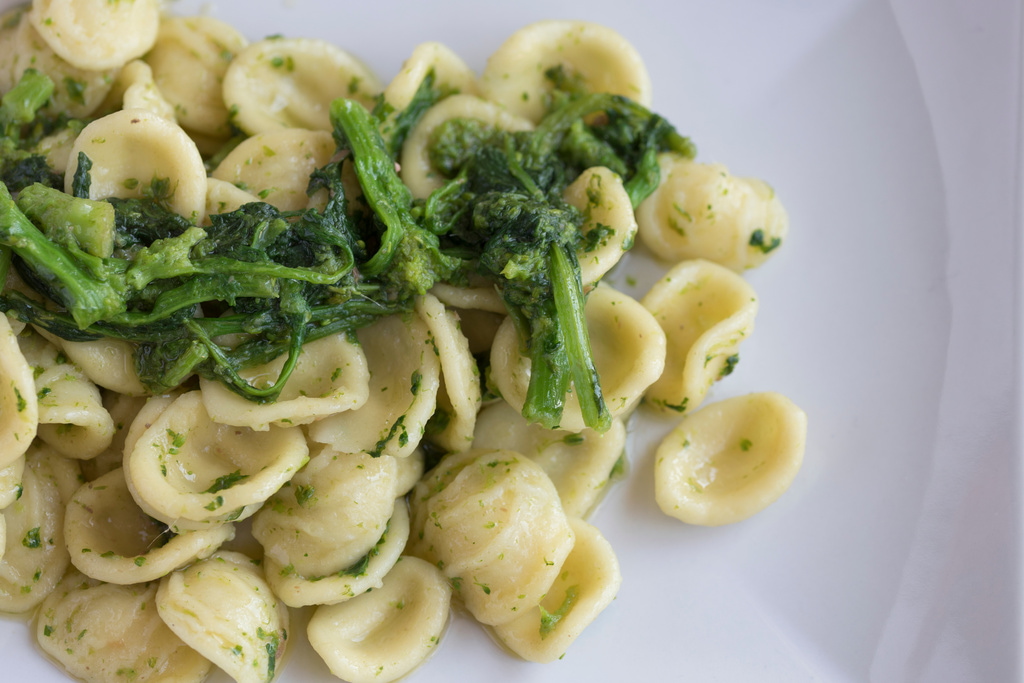
Among the most representative products are orecchiette, often paired with seasonal vegetables, burrata, fresh cheeses, legumes and wild greens.
The sea provides oily fish, shellfish and simple preparations that respect the raw ingredients.
Puglian cooking is a cuisine of everyday life and sharing, closely tied to the natural rhythm of the seasons.
Puglia is a region that invites you to stay.
It is a land to be experienced slowly, alternating between sea, countryside, villages and cities of art, following itineraries that enhance the territory.
Through experiences that bring together rural landscapes, coastlines, historic centres and local traditions, Toucan Travel offers a way of experiencing Puglia that prioritises authenticity, depth and a meaningful connection with place.
Because here, travel is not only discovery, but a natural way of inhabiting the Mediterranean.
Itineraries
Services
Follow us
Copyright © 2024 TOUCAN TRAVEL SRL
CONSORZIO COND. PISCHINA SALIDA – 07041 – ALGHERO (SS) – Camera di Commercio di Sassari – Rea: 195588 – P.IVA: 02677510907
Privacy Policy – Cookie Policy – Update your cookie preferences
Powered by Envision
