
Molise is a compact region, often far from the main tourist routes, yet capable of offering a truly authentic and deeply rooted travel experience.
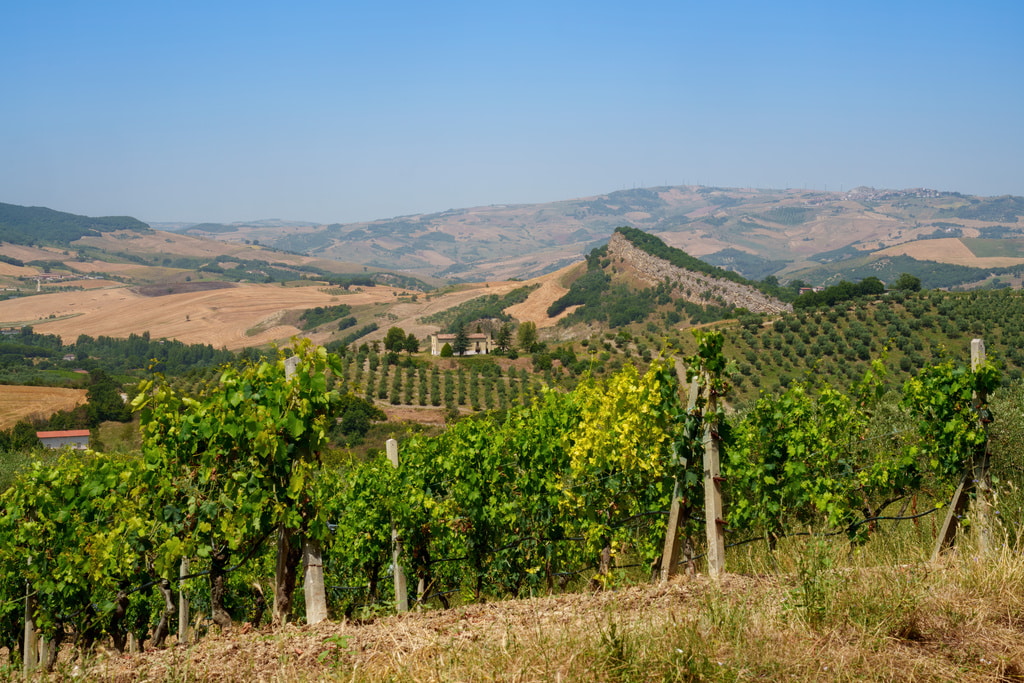
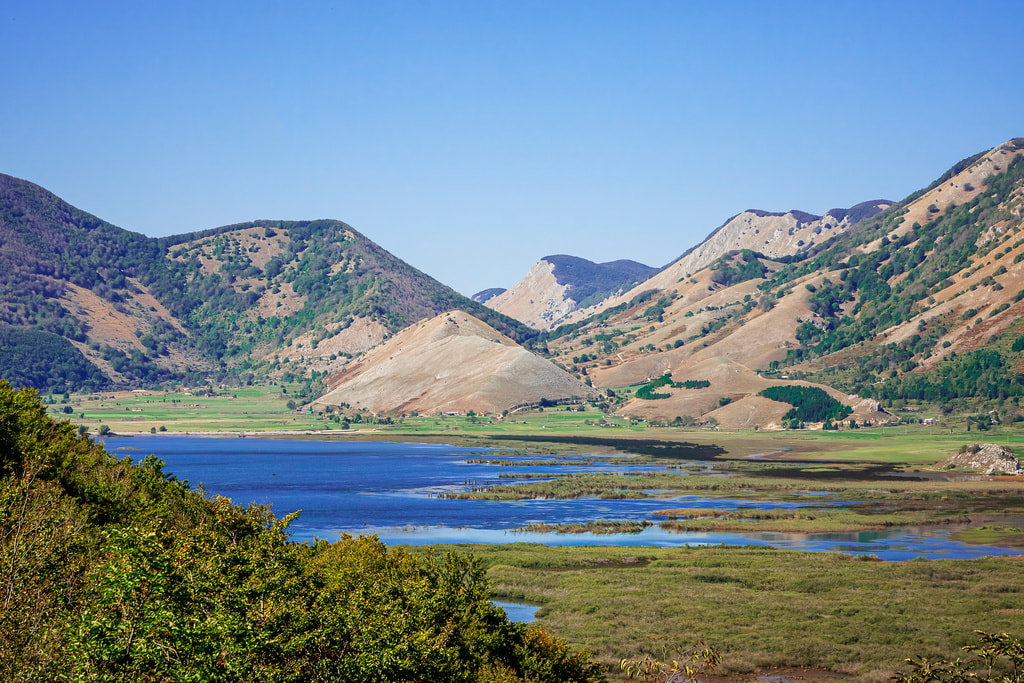
The landscape is shaped by gentle mountains, open valleys and cultivated hills, where human presence is discreet and firmly anchored in time.
Travelling through Molise means slowing down, following secondary roads and discovering places that preserve a direct relationship with the land and with memory.
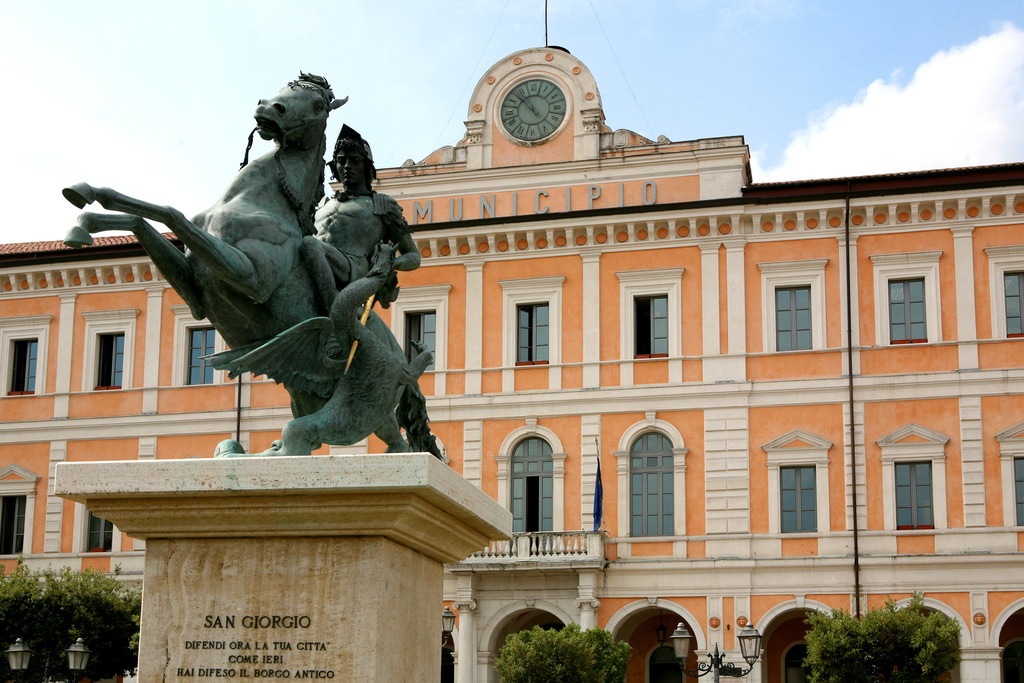
Campobasso, the regional capital, unfolds between the modern city and its hilltop historic centre.
The Monforte Castle, overlooking the town from above, is its symbol and offers sweeping views over the surrounding territory.
The old town preserves narrow streets, churches and palaces that tell a story of successive dominations and transformations, while the newer districts reflect a region looking to the future without denying its roots.
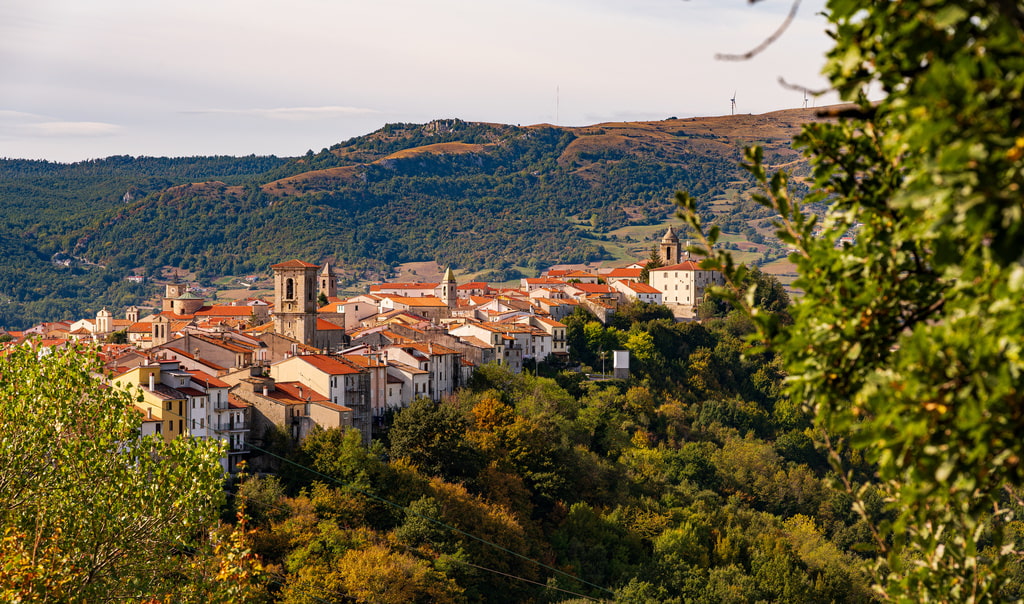
Molise is home to villages of great historical and cultural value.
Agnone is renowned for the Pontifical Marinelli Bell Foundry, one of the world’s oldest bell foundries still in operation.
Sepino, with the archaeological site of Altilia, preserves one of the best-preserved Roman towns in central-southern Italy.
Oratino, perched on a rocky spur, is known for its stone architecture and its local sculptural tradition.
These villages tell the story of a cultivated, artisanal Molise, deeply connected to its identity.
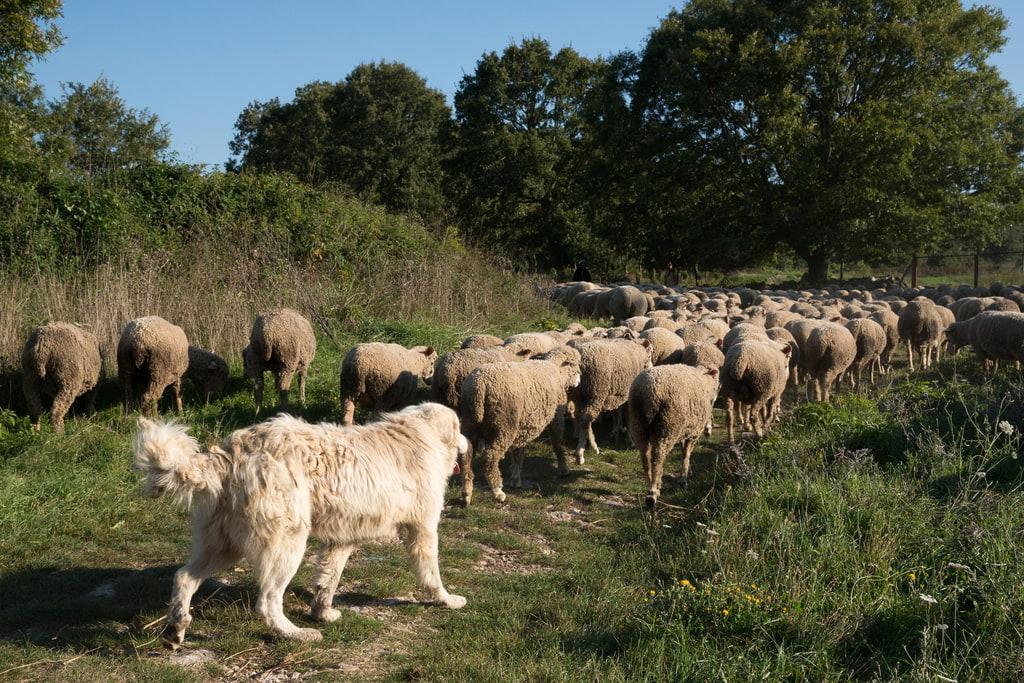
One of Molise’s most distinctive features is its tratturi, ancient grassy routes followed for centuries during transhumance.
The Celano–Foggia Tratturo and the Castel di Sangro–Lucera Tratturo cross the region, shaping a unique landscape recognised as historical and cultural heritage.
Walking these paths means following the same routes trodden for centuries by shepherds and flocks, embracing a slow and deeply meaningful way of travelling.
To the south, the Matese Massif forms the most important mountain area of the region.
Forests, pastures, lakes and trails define a territory ideal for hiking, trekking and outdoor activities, far from mass tourism.
Here, nature is present yet never overwhelming, and the landscape maintains a rare balance between environment and human presence.
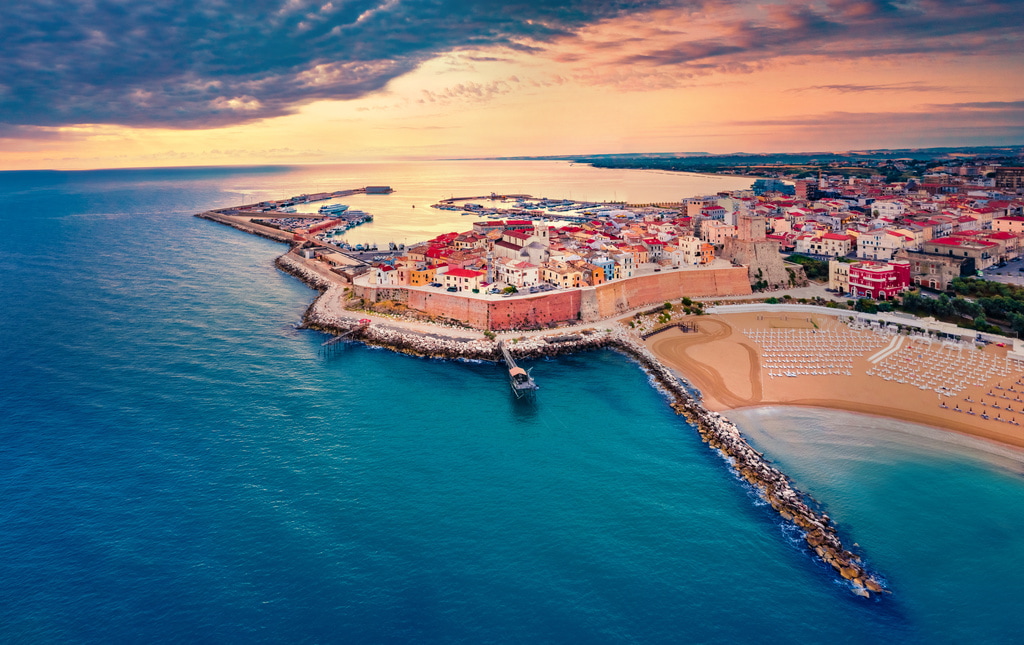
Despite its predominantly inland character, Molise looks out over the Adriatic with a short yet significant stretch of coastline.
Termoli is the main seaside town, featuring a fortified old town that rises directly above the sea.
The harbour, sandy beaches and fishing traditions reveal a lesser-known but authentic maritime Molise, ideal for a relaxing pause by the sea.
Molisan cuisine is one of substance and memory, deeply connected to pastoral life and agriculture.
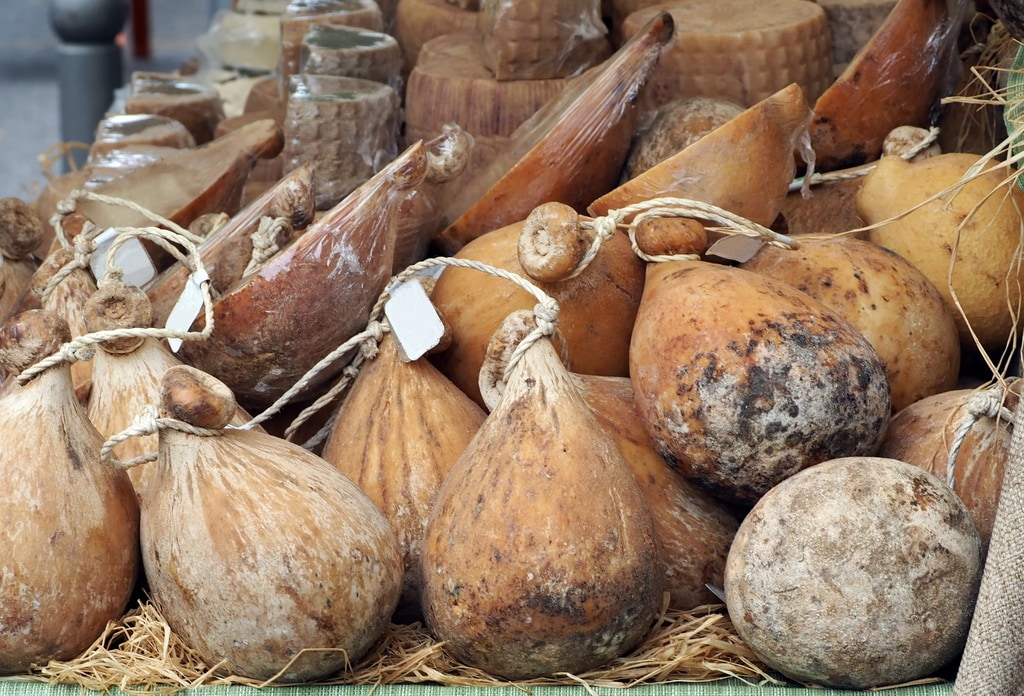
Cheeses play a central role: from Agnone caciocavallo to stracciata molisana, as well as mountain-produced pecorino cheeses.
Artisan cured meats, such as ventricina, aged sausages and capocollo, reflect ancient preservation techniques.
Handmade pasta – cavatelli and fusilli al ferretto – is often served with meat sauces, legumes or seasonal vegetables.
Durum wheat bread, rustic soups and traditional desserts made with honey and dried fruit complete a sincere, strongly rooted gastronomy.
Molise is a region for those seeking experiences beyond the usual routes, shaped by silence, nature and genuine human connections.
It is a land that gives much to those willing to slow down and observe.
Through itineraries that combine historic villages, drovers’ paths, mountains and sea, Toucan Travel offers a way of experiencing Molise that values depth, slowness and a strong bond with the land.
Because Molise does not need to be explained: it is discovered by walking, staying and listening.

Itineraries
Services
Follow us
Copyright © 2024 TOUCAN TRAVEL SRL
CONSORZIO COND. PISCHINA SALIDA – 07041 – ALGHERO (SS) – Camera di Commercio di Sassari – Rea: 195588 – P.IVA: 02677510907
Privacy Policy – Cookie Policy – Update your cookie preferences
Powered by Envision
